Archives
- 2026-04
- 2026-03
- 2026-02
- 2026-01
- 2025-12
- 2025-11
- 2025-10
- 2025-09
- 2025-03
- 2025-02
- 2025-01
- 2024-12
- 2024-11
- 2024-10
- 2024-09
- 2024-08
- 2024-07
- 2024-06
- 2024-05
- 2024-04
- 2024-03
- 2024-02
- 2024-01
- 2023-12
- 2023-11
- 2023-10
- 2023-09
- 2023-08
- 2023-07
- 2023-06
- 2023-05
- 2023-04
- 2023-03
- 2023-02
- 2023-01
- 2022-12
- 2022-11
- 2022-10
- 2022-09
- 2022-08
- 2022-07
- 2022-06
- 2022-05
- 2022-04
- 2022-03
- 2022-02
- 2022-01
- 2021-12
- 2021-11
- 2021-10
- 2021-09
- 2021-08
- 2021-07
- 2021-06
- 2021-05
- 2021-04
- 2021-03
- 2021-02
- 2021-01
- 2020-12
- 2020-11
- 2020-10
- 2020-09
- 2020-08
- 2020-07
- 2020-06
- 2020-05
- 2020-04
- 2020-03
- 2020-02
- 2020-01
- 2019-12
- 2019-11
- 2019-10
- 2019-09
- 2019-08
- 2018-07
-
br Acknowledgements This work was supported by
2024-10-18

Acknowledgements This work was supported by Programme Grants from the MRC and the Wellcome Trust (SGC-C and MF). CB was in receipt of a Marie Curie Intra-European Fellowship during part of this work. We thank past and present members of our group for numerous valuable discussions throughout these
-
br Materials and method br Result and discussion br
2024-10-18
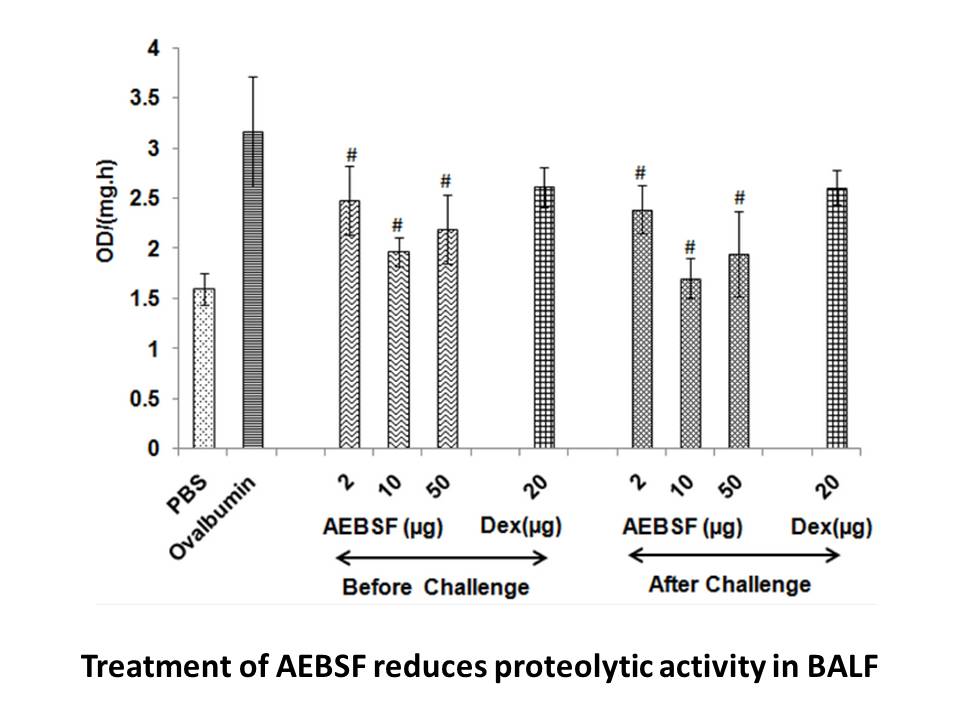
Materials and method Result and discussion Conclusion Acknowledgments This work is partly supported by the University Research Committee (URC) of the Senate of The Federal University of Technology, Akure. The authors thanked IFS for the funds (F/4449 1F and F/4449-2F) used to purchase th
-
The synthetic adipoR agonists AdipoRon and are both detectab
2024-10-18
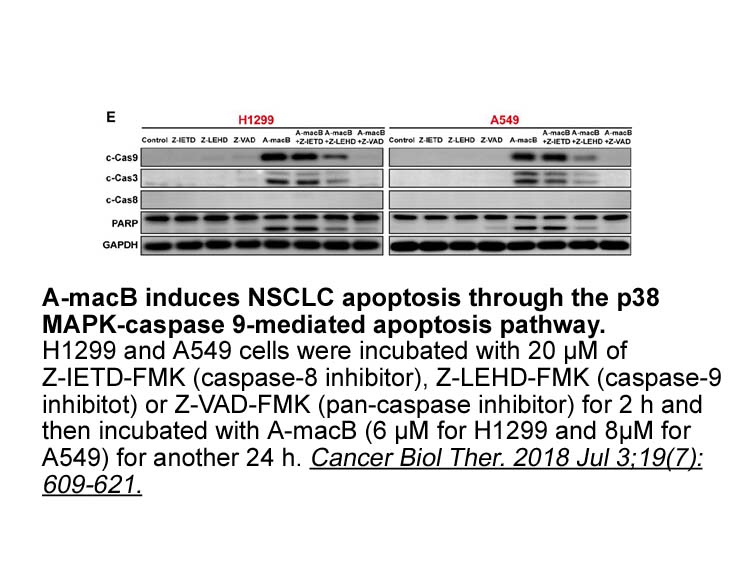
The synthetic adipoR agonists, AdipoRon (1) and 112254 (2), are both detectable in human plasma [18]. However, with increasing knowledge about their metabolism [19], a method for detection from human urine is conceivable and would be preferred given the easier accessibility and greater frequency of
-
The cellular mechanism underlying the CGS mediated inhibitio
2024-10-18

The cellular mechanism underlying the CGS12066-mediated inhibition of glutamate release from hippocampal nerve terminals through presynaptic 5-HT1B receptors remains to be elucidated. 5-HT1B receptors are coupled to PTX-sensitive G proteins (Gi or Go) that have been shown to inhibit AC activity as w
-
The biology of the A BR is complex
2024-10-18
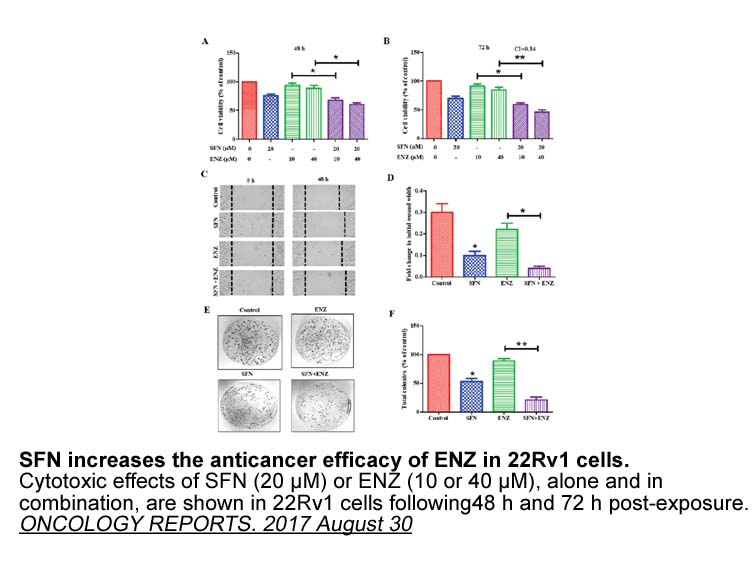
The biology of the A2BR is complex and needs to be considered contextually as the expression and effect of receptor engagement varies according to time post hypoxic injury, cell type and downstream signaling pathway. For example, A2BR expression is dynamic - low under basal and increasing under isch
-
The present study indicates elevated ATX activity as
2024-10-17
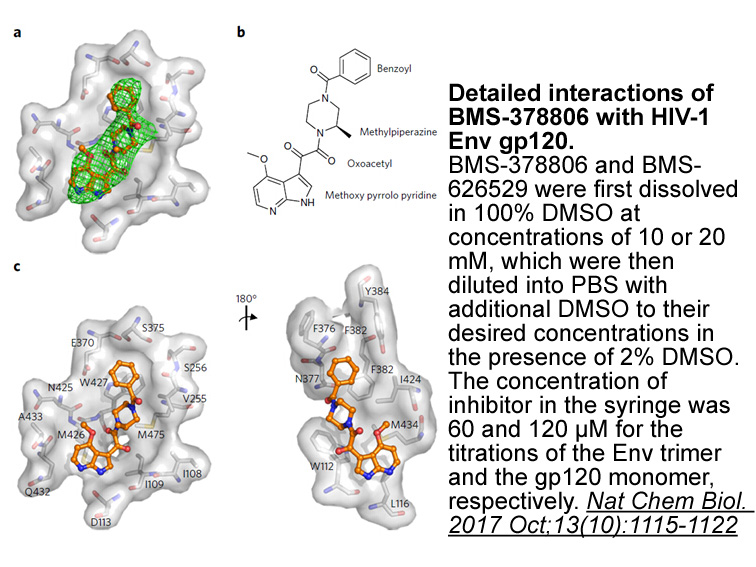
The present study indicates elevated ATX activity as a highly sensitive and specific biomarker to differentiate ICP from other pregnancy-related liver disorders or pruritic dermatoses. In Xylazine HCl sale to the current gold standard for diagnosis, total fasting serum bile salt levels, ATX appeare
-
br Aurora A Aurora B and
2024-10-17
Aurora-A, Aurora-B and Aurora-C small molecule inhibitors Nicholas et al. described phenotypic cellular screening of new highly potent and selective class of Aurora kinase inhibitors. Fragment based approach was utilized; core structure of 57 (Fig. 5) was optimized and selective inhibitor 58 (Fig
-
Acl converts cytosolic citrate CoA
2024-10-17
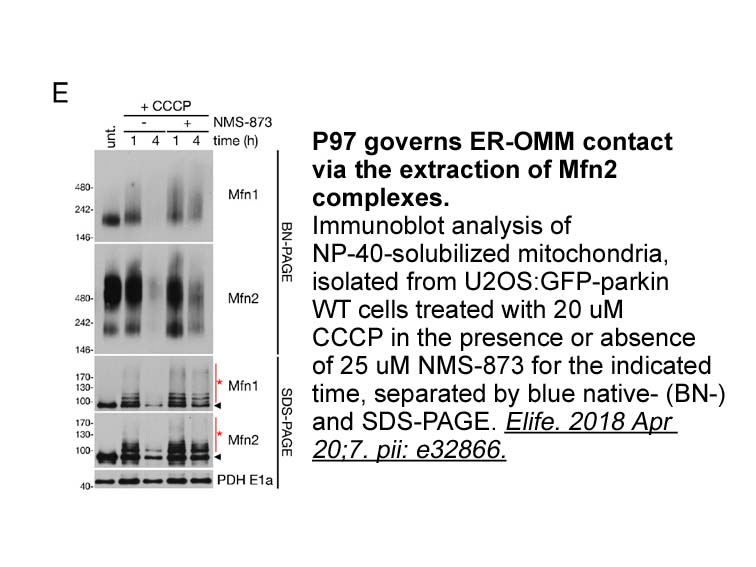
Acl converts cytosolic citrate, CoA and ATP into acetyl-CoA, ADP+Pi and oxaloacetate (Fig. 1). This cytosolic enzyme is present in few Prokaryotes and in all Eukaryotes, but not in non-oleaginous yeasts [14]. Thus, this enzyme was presumed to be essential for FA synthesis [1], [13], [15]. In most mi
-
Recruitment of the Rad BP mediator
2024-10-17
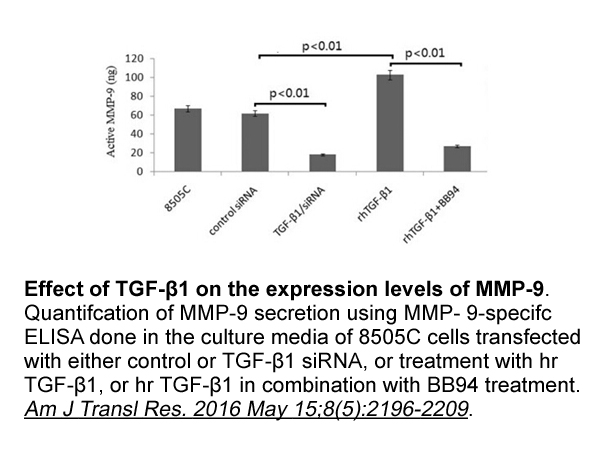
Recruitment of the Rad9/53BP1 mediator to lumiracoxib synthesis involves multiple pathways (Fig. 2). In unperturbed conditions, Rad9 is already bound to chromatin via interaction between its Tudor domain and methylated histone H3 at lysine 79 [82], [83], [84], [85]. This constitutive Rad9 recruitme
-
Thymoquinone TQ is the major active compound
2024-10-17
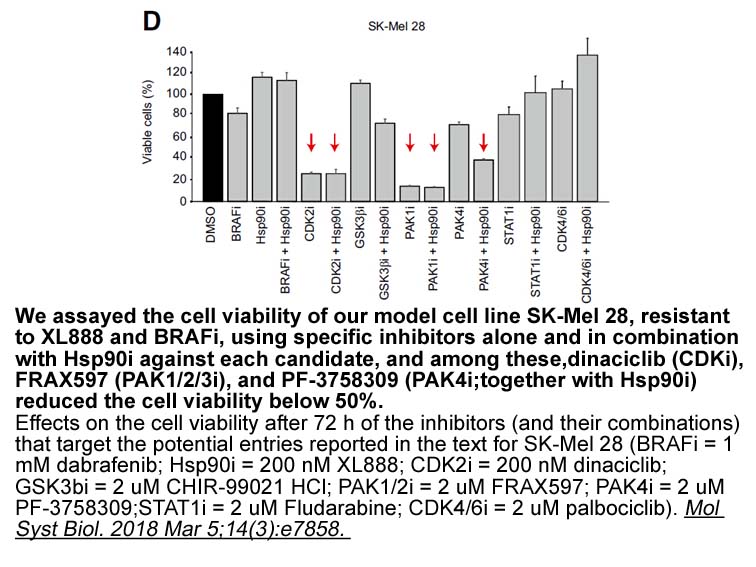
Thymoquinone (TQ) is the major active ace inhibitor derived from Nigella sativa (Woo et al., 2012). Recent animal studies support the potential of TQ for the treatment of a variety of inflammatory disorders like inflammatory bowel disease (IBD), RA, and osteoarthritis (OA) (Salem, 2005, Badr et al.
-
Most clinically approved antiangiogenic drugs are aimed at b
2024-10-17

Most clinically approved antiangiogenic drugs are aimed at blocking the action of vascular endothelial growth factor, or VEGF, which is accepted to be the most important tumor-derived angiogenic factor, stimulating proliferation and migration of endothelial cells, as well as branching of vessels (Fe
-
Since ARBs strongly reduce inflammation it was
2024-10-17
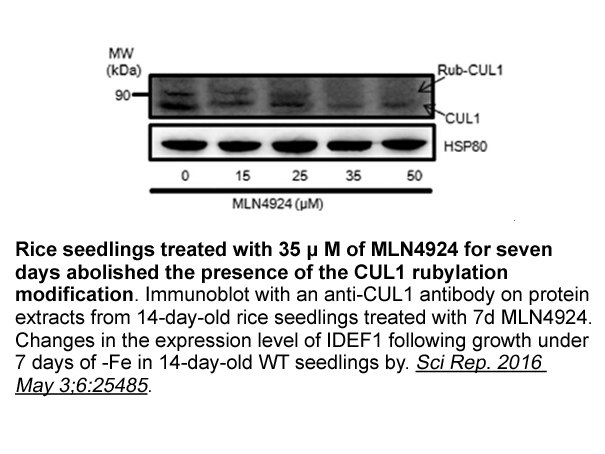
Since ARBs strongly reduce inflammation, it was hypothesized that the protective effects on cognition were the result of reduction of inflammation and amelioration of neurogenic decrease. However, ARB treatment did not normalize increased inflammation and neurogenic loss. For this reason, the protec
-
Finally intracrine androgen synthesis metabolism can
2024-10-17
Finally, intracrine androgen synthesis/metabolism can be activated thus allowing 3463 synthesis to bypass the low levels of androgens in the circulation by producing androgens themselves (Cai and Balk, 2011, Rahman et al., 2004). Moreover, changes in AR co-regulators like the overexpression of ster
-
Evidence from basic science studies suggests
2024-10-17
Evidence from basic science studies suggests that Cd may play a role in prostate cancer through disruption of the androgen receptor (AR). AR, a hormone-activated transcription factor, is the key driver of prostate cancer progression [6]. Ironically, the AR is also required for normal prostate growth
-
Linagliptin is a recently approved dipeptidyl peptidase DPP
2024-10-17

Linagliptin is a recently approved dipeptidyl peptidase-4 (DPP-4) inhibitor and widely considered as first-line treatment for patients with type 2 diabetes. DPP-4 is responsible for the inactivation of incretin hormones, such as glucagon-like peptide 1 (GLP-1). GLP-1 is released by the intestine aft
14518 records 83/968 page Previous Next First page 上5页 8182838485 下5页 Last page